Trump demanded allies send warships to the Strait of Hormuz, got snubbed by every major partner, then said the US doesn't need anyone anyway and may not even need to be there — all in the same press conference. For India, which imports over 85% of its crude, the contradictions in Washington are not entertainment. They are an energy security emergency.
 Sseema Giill
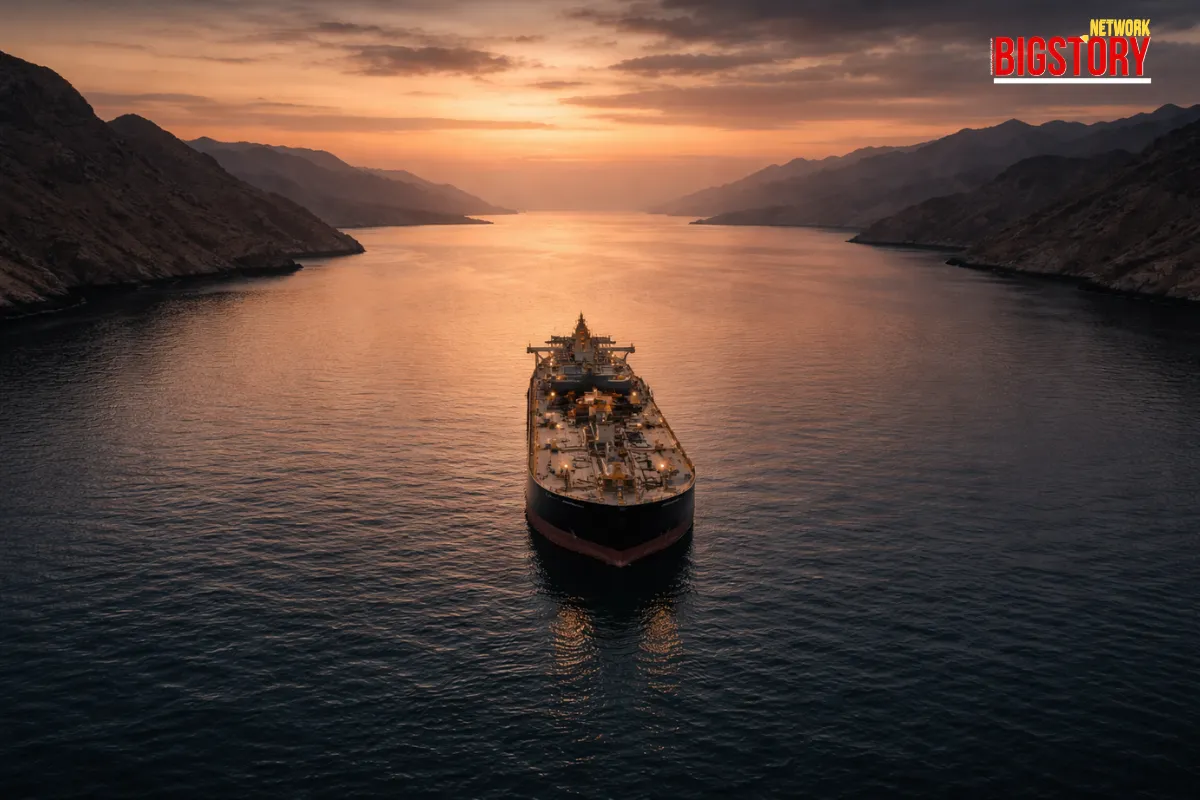
What happened: US President Donald Trump demanded NATO allies, China, Japan, South Korea, and Australia send warships to the blockaded Strait of Hormuz — and was rebuffed by every single one of them, while simultaneously saying the US "doesn't need anybody" and may not even need to be in the region at all.
Why it happened: Every ally cited the same reason: the US and Israel started this war without consulting them, without a UN or NATO mandate, and without a plan for reopening the Strait. Germany's defence minister put it plainly — "This is not our war. We have not started it."
The strategic play: Trump is fighting a two-front contradiction — demanding help while insisting the US doesn't need it, claiming Iran is "literally obliterated" while admitting he doesn't know who leads the country, and saying the war could end "this week" while Israel says it plans three more weeks of combat.
India's stake: India imports over 85% of its crude oil. Crude prices have surged approximately 40% since February 28. Trump's statement that the US is defending the Strait "out of habit" and may not need to be there is the most dangerous sentence uttered for Indian energy security since the war began — it signals the US security umbrella in the Gulf is now conditional.
The deciding question: If Trump follows his own logic — that the US doesn't need Gulf oil and "maybe shouldn't even be there" — who secures the Strait for the import-dependent economies that do?
US President Donald Trump demanded allies send warships to the blockaded Strait of Hormuz on Monday and was rebuffed by every major partner — the UK, Germany, France, Italy, Japan, Australia, and the European Union collectively. He then told reporters he "doesn't need anybody" anyway, suggested the US may be defending the Strait "out of habit, which is not a good thing to do," and said "you could make the case that maybe we shouldn't even be there at all" because America has plenty of its own oil. He also admitted he does not know who leads Iran. He said the war could be "wrapped up" this week. Israel the same day announced three more weeks of operations and began ground incursions into Lebanon.
This is the same press conference. These are not separate statements from separate days.
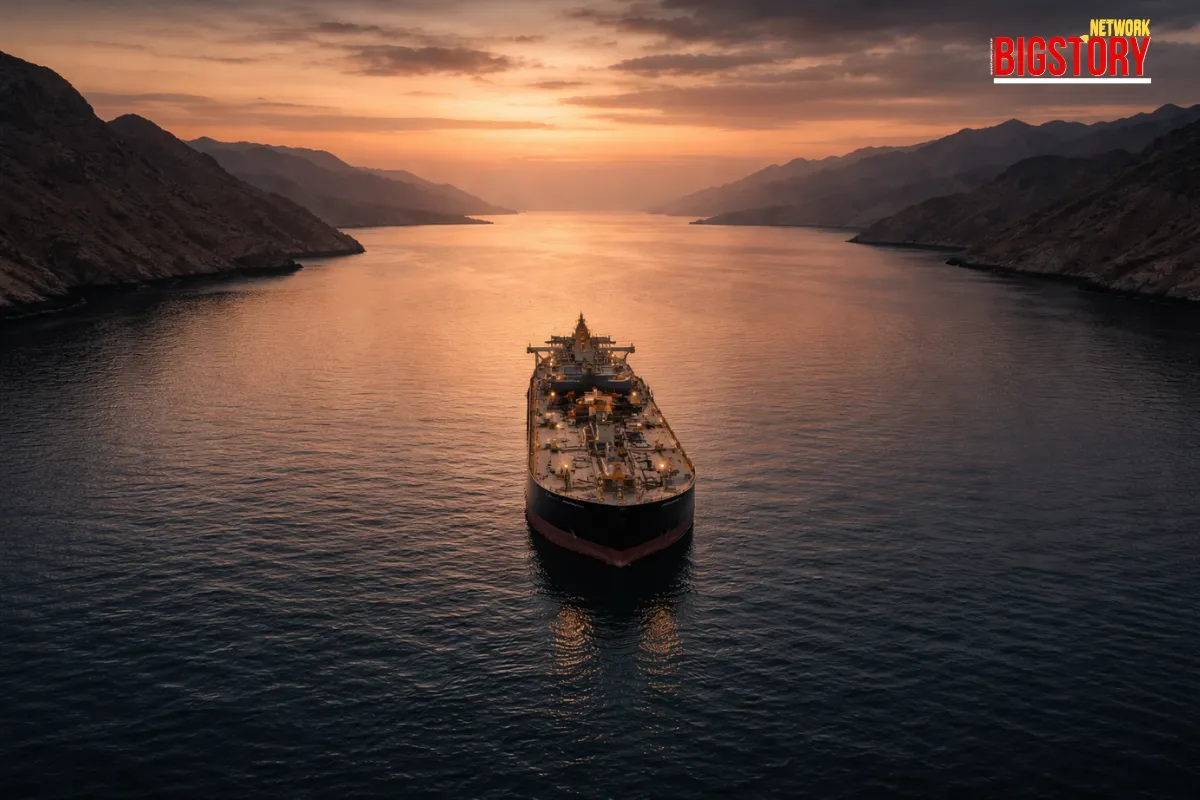
Operation Epic Fury launched on February 28, with US and Israeli strikes targeting Iran's military infrastructure, nuclear sites, and leadership. Iran retaliated by effectively closing the Strait of Hormuz — the narrow waterway at the mouth of the Persian Gulf through which approximately 20% of the world's traded oil typically passes — threatening to strike any vessel attempting transit without Iranian approval. Tanker traffic through the strait came to a virtual halt. Crude oil prices surged approximately 40% in the two weeks following the February 28 strikes — the largest oil supply disruption in recorded history according to CNBC analysts.
On Saturday, Trump posted on Truth Social calling on "countries of the world that receive oil through the Hormuz Strait" to "take care of that passage." He followed up with direct calls to allies. By Monday, every major partner had said no. Germany's Chancellor Friedrich Merz said Berlin would not participate militarily "so long as the war continues." Germany's Defence Minister Boris Pistorius was sharper: "What does Trump expect a handful of European frigates to do in the Strait of Hormuz that the powerful US Navy cannot do? This is not our war. We have not started it." EU foreign policy chief Kaja Kallas confirmed there was "no appetite" among EU foreign ministers to expand naval operations to the Strait. Japan said it had no plans to send ships. Australia said the same. Italy backed strengthening existing Red Sea anti-piracy missions but not the Hormuz operation.
Even Keir Starmer — who Trump expected to comply — said the UK would not be drawn into "the wider war" and that any reopening of the Strait should be a broader effort rather than a NATO mission. Trump told reporters he was "not happy" with Starmer for not immediately committing to send minesweepers. Earlier in the conflict, when Starmer had considered sending British aircraft carriers to the region, Trump had posted on Truth Social: "We don't need people that join Wars after we've already won!" Starmer's current reluctance is, at least in part, a consequence of that original snub.
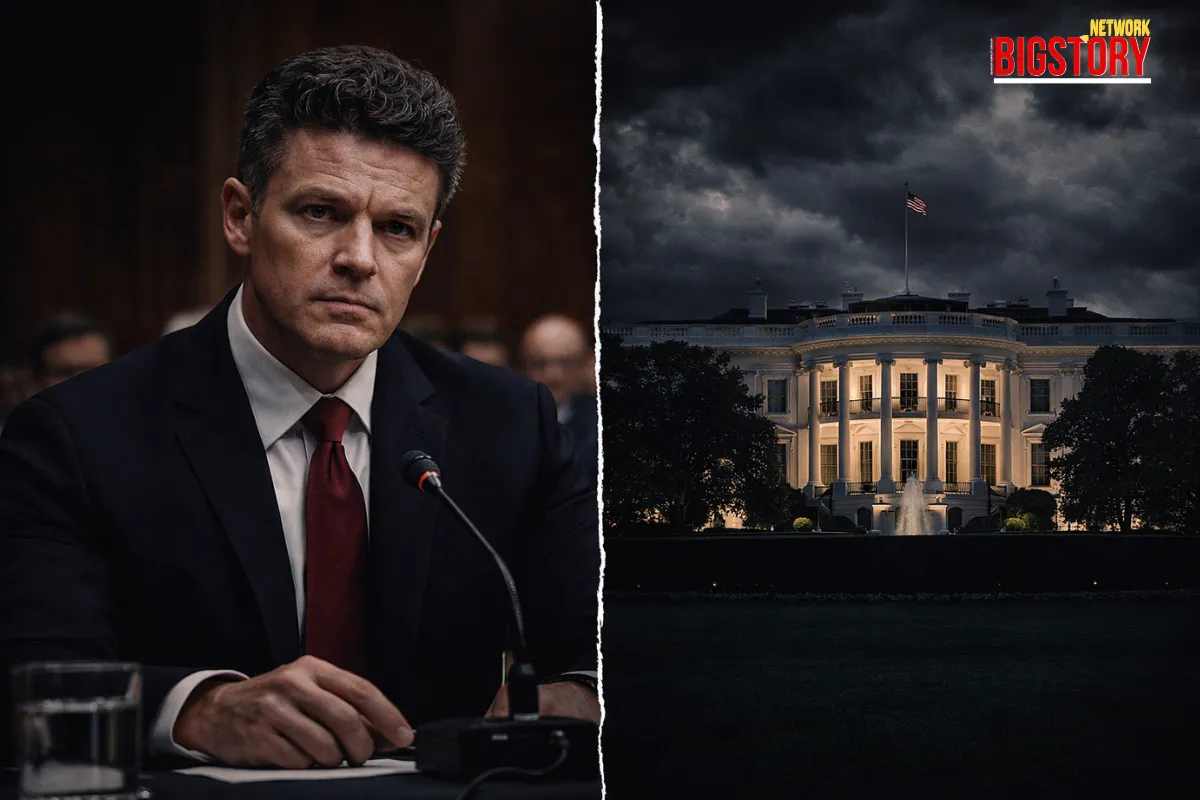
Donald Trump, President of the United States — delivered a press conference on Monday that contained at minimum four direct contradictions on the same subject. He said Iran is "literally obliterated" and simultaneously said he doesn't know who leads the country. He said the war could be wrapped up this week and simultaneously said he's "not ready" to make a deal. He said he doesn't need allies and simultaneously said he's frustrated by their lack of enthusiasm. He said the US is attacking Iran to protect the world's oil supply and simultaneously suggested "maybe we shouldn't even be there" because the US has plenty of domestic oil. His Treasury Secretary Scott Bessent separately confirmed that the US is allowing Iranian tankers to transit the Strait — a direct contradiction of the stated objective of breaking Iran's chokehold on shipping.
Friedrich Merz, Chancellor, Germany — the most consequential allied refusal of the day, because Merz had sat next to Trump in the Oval Office on March 3 and said the two countries were "on the same page" on Iran. Twelve days later, Germany's formal position is: no naval involvement, no Hormuz operation, and a pointed reminder that "the US and Israel did not consult us before the war." Merz's spokesman added that Washington had "explicitly stated at the start of the war that European assistance was neither necessary nor desired." Germany's refusal is not geopolitical cowardice. It is the logical consequence of being told not to show up and then being asked to show up.
Keir Starmer, Prime Minister, United Kingdom — navigating the most difficult position of any allied leader. Most Britons oppose the war. The UK has given the US access to its military bases for "limited defensive action" only. Starmer's formula — "working with allies to restore freedom of navigation" without specifying what that means — is designed to avoid both Trump's anger and a domestic political crisis. Trump rated Macron "8 out of 10" and said he thinks the UK will eventually help. Whether that prediction holds depends on whether Starmer can construct a non-NATO, non-war framework for Hormuz that his parliament and public will accept.
Every outlet today is covering this as an alliance management story — Trump vs NATO, Trump vs Starmer, Trump's contradictions. That is the right frame for the diplomatic story. It is the wrong frame for the energy security story.
Trump's most consequential statement on Monday was not "we don't need anybody." It was "out of habit, which is not a good thing to do." That phrase — applied to the US commitment to securing the Persian Gulf — is the most significant shift in American strategic doctrine since the Carter Doctrine of 1980, which declared the free flow of Gulf oil a vital US national interest worth defending by military force. Trump is publicly questioning whether that doctrine still applies — not in a foreign policy speech, not in a strategic review, but in an offhand remark to reporters at the Kennedy Center board meeting. He is not the first president to feel this way. He is the first to say it out loud while a war is in progress and the Strait is closed.
For the countries that depend on Gulf oil — India first among them — this is not a rhetorical question. India imports over 85% of its crude. India has no domestic oil surplus to fall back on. The US security umbrella in the Persian Gulf has been the structural guarantee of India's energy supply for four decades. If that umbrella is "habit" rather than national interest, and if Trump is signalling that habit can be broken, then India's energy security calculus changes permanently — not from this war, but from this sentence.
India's direct exposure to the Hormuz closure is not abstract. Crude prices up 40% since February 28. LPG already up Rs 60. Strategic petroleum reserves covering 7–8 weeks. The Finance Bill 2026 was drafted on approximately $70 per barrel. Current prices are running at $112–119. Every week the Strait stays closed and every week the US signals it may not be fully committed to forcing it open adds to a fiscal deviation that India's budget cannot absorb indefinitely.
The specific India consequence of Monday's press conference: India cannot plan its energy security around the assumption that the US Fifth Fleet will protect Indian-flagged tankers in the Gulf as a matter of course. That assumption has been the foundation of India's energy import strategy for 40 years. Trump's "out of habit" formulation puts it in question. India's MEA and Ministry of Petroleum must now treat Gulf maritime security as a bilateral diplomacy problem — requiring direct India-Iran, India-UAE, and India-Saudi Arabia safe-passage arrangements — rather than a structural guarantee of the international order.
Watch the next seven days for: whether any ally publicly commits to joining a Hormuz coalition after Monday's refusals; whether Trump's admission that Iran wants "to make a deal" leads to a ceasefire signal before Israel's stated three-week timeline expires; and whether India's oil import costs trigger a domestic fuel pricing revision before the West Bengal election on April 23.
NPR — Trump demands NATO and China police the Strait of Hormuz. So far they aren't joining
CNN Politics — Analysis: Trump demands help from European allies to resolve Strait of Hormuz crisis
Rolling Stone — Trump Says US Doesn't Need Allies' Help in Iran After Demands
CBC News — Why allies aren't leaping to Trump's aid in Strait of Hormuz
Times of Israel — Trump slams allies' low enthusiasm for his proposed coalition to open Hormuz
NBC News — Not our war: US allies balk at Trump's Strait of Hormuz demands
The Hill — Allies balk at Trump's call for help on Strait of Hormuz
CNBC — Trump signals coalition to force open Strait of Hormuz is not ready yet
CNN — US allies balk at Trump's appeal to help secure Strait of Hormuz
 Exclusive Content






Sign up for the Daily newsletter to get your biggest stories, handpicked for you each day.


 Trending Now! in last 24hrs